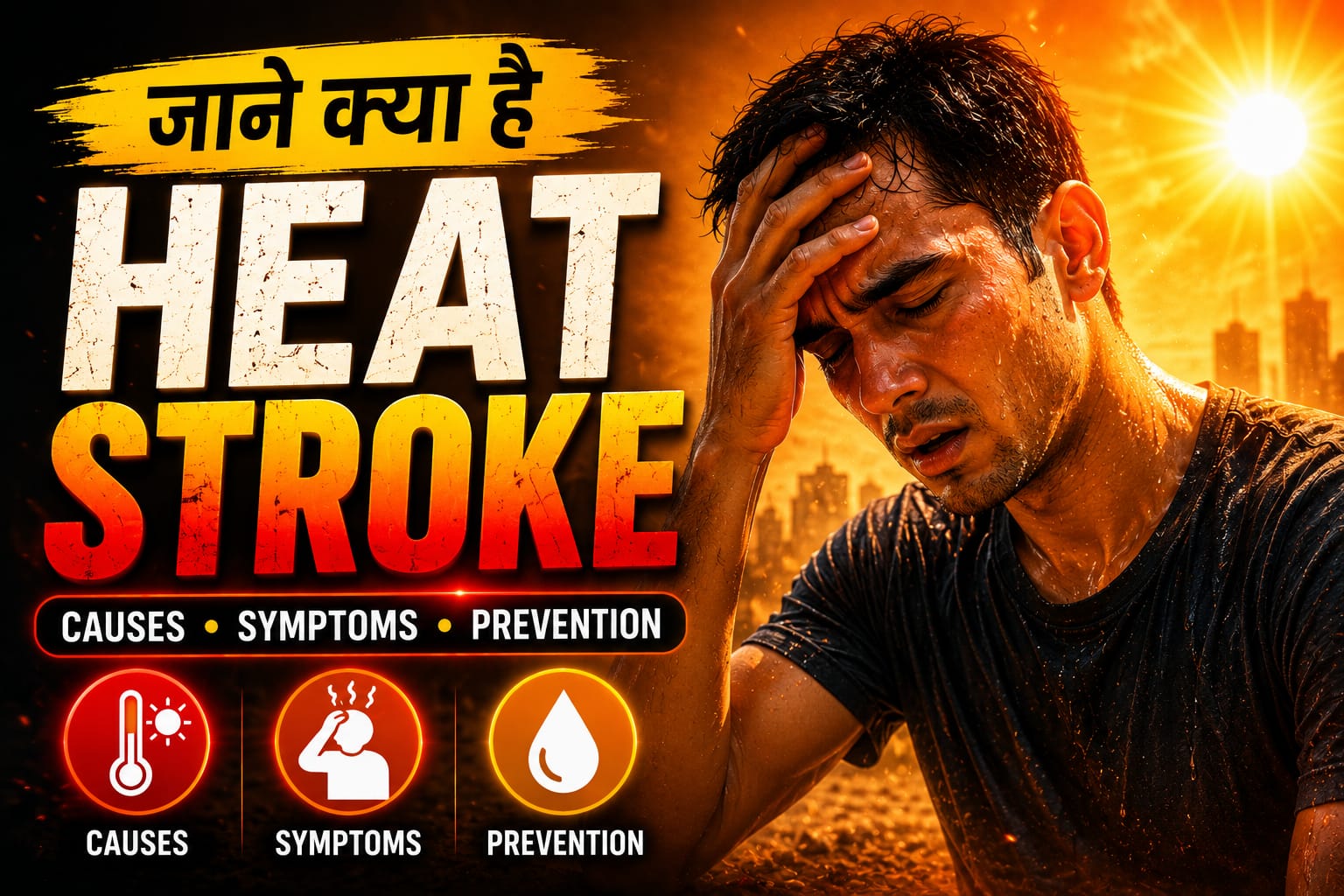
Heat stroke an silent killer symptoms recognized .Heat stroke is a severe, life-threatening medical condition that occurs when the body’s core temperature rises above 104°F [40°C] due to prolonged exposure to high environmental temperatures or physical exertion in hot weather. It represents a failure of the body’s thermoregulatory system and requires immediate medical intervention. Unlike milder heat-related illnesses such as heat exhaustion, heat stroke can cause irreversible damage to the brain, heart, kidneys, and muscles if not treated promptly.
Key Symptoms:
- Central Nervous System Dysfunction: Confusion, agitation, slurred speech, seizures, delirium, or coma. This is the hallmark feature.
- Hyperthermia: Core body temperature >104°F [40°C]. Skin may be hot and dry in classic heat stroke, or moist in exertional heat stroke.
- Cardiovascular Signs: Tachycardia [rapid heart rate], tachypnea [rapid breathing], and hypotension [low blood pressure].
- Other Signs: Nausea, vomiting, headache, muscle cramps, and absence of sweating despite the heat.
- Pathophysiology: How Heat Stroke Develops
The human body maintains a core temperature of approximately 98.6°F [37°C] through thermoregulation. The hypothalamus, located in the brain, acts as the body’s thermostat. During heat exposure, the body cools itself by vasodilation [widening of blood vessels] and diaphoresis.[sweating]
In heat stroke, these compensatory mechanisms fail. Sweating may cease, reducing evaporative heat loss. The core temperature rises rapidly, leading to cellular dysfunction, systemic inflammatory response, and multi-organ failure. Proteins denature, cell membranes become unstable, and vital organs are damaged.[anhidrosis]
Two Primary Types:
- Exertional Heat Stroke [EHS]: Occurs in healthy individuals during strenuous physical activity in hot environments. Common in athletes, military personnel, and laborers.
- Non-Exertional or Classic Heat Stroke [NEHS]: Affects vulnerable populations such as infants, elderly persons, and individuals with chronic illnesses during heat waves. Develops slowly over several days.
- Risk Factors
Individuals at increased risk include:
- Age: Infants and adults over 65 years due to immature or diminished thermoregulation.
- Medical Conditions: Cardiovascular disease, diabetes, obesity, and autonomic dysfunction.
- Medications: Diuretics, antihistamines, beta-blockers, and antipsychotics can impair sweating or alter blood flow.
- Environmental Factors: High humidity, lack of air conditioning, and inadequate fluid intake.
- Behavioral Factors: Alcohol consumption, wearing excessive clothing, and performing heavy work during peak heat hours.
- Clinical Signs and Symptoms
Early recognition is critical. Heat stroke should be suspected when a person exposed to heat presents with altered mental status and elevated body temperature.
Important Distinction: Heat exhaustion presents with heavy sweating, weakness, and a normal mental state. Heat stroke presents with altered mental state. Any change in consciousness in a hot environment should be treated as heat stroke until proven otherwise.
- First Aid and Emergency Management
Heat stroke is a medical emergency. Call emergency services immediately. While waiting for professional help:[911][102][108] - Initiate Rapid Cooling: This is the single most important intervention.
- Move the person to a shaded, cool area.
- Remove excess clothing.
- Begin aggressive external cooling: Apply ice packs to the neck, axillae, and groin where large blood vessels are close to the skin.
- Immerse the person in cold water from neck down if feasible and safe. Do not use ice water for elderly patients due to risk of shivering.
- Use fans and mist the skin with water to promote evaporative cooling.
- Monitor Vital Signs: Check airway, breathing, and circulation. Place the person in the recovery position if unconscious but breathing.
- Hydration: If the person is conscious and able to swallow, provide cool water or an oral rehydration solution. Do not give fluids to an unconscious person due to aspiration risk.
- Do NOT: Give medications like aspirin or acetaminophen. These are ineffective for heat-induced hyperthermia and may worsen organ injury.[armpits]
Medical Goal: Reduce core temperature to <102.2°F [39°C] within 60 minutes of symptom onset to minimize mortality and morbidity.
- Clinical Complications
Without rapid treatment, heat stroke can lead to:
- Rhabdomyolysis: Breakdown of muscle tissue releasing myoglobin, which can cause acute kidney injury.
- Disseminated Intravascular Coagulation [DIC]: Abnormal blood clotting throughout the body.
- Acute Respiratory Distress Syndrome [ARDS].
- Hepatic and Renal Failure.
- Permanent Neurological Deficit.
- Prevention Strategies
Preventing heat stroke involves minimizing heat exposure and maintaining hydration. - Hydration: Consume fluids regularly. Water is adequate for most people. During prolonged exertion, use electrolyte-containing beverages to replace sodium and potassium lost through sweat.
- Environmental Modification: Schedule outdoor activities during cooler parts of the day. Use air conditioning or visit public cooling centers during heat waves.
- Acclimatization: Gradually increase exposure to hot environments over 7-14 days to allow physiological adaptation.
- Appropriate Clothing: Wear lightweight, light-colored, loose-fitting clothing. Use wide-brimmed hats.
- Work-Rest Cycles: Implement mandatory rest breaks in shaded areas for occupational settings. Follow guidelines such as those from OSHA or local labor authorities.
- Community Awareness: Check on elderly neighbors, infants, and persons with limited mobility during extreme heat events.
- Conclusion
Heat stroke is a preventable yet potentially fatal condition characterized by hyperthermia and central nervous system dysfunction. Public awareness of early signs, rapid cooling, and timely access to emergency medical services significantly improves outcomes. Employers, athletic organizations, and community leaders should implement heat safety protocols during periods of high temperature. If you suspect heat stroke, treat it as a medical emergency: Cool First, Transport Second.
Disclaimer: This article is for informational and educational purposes only. It does not constitute medical advice. In case of a suspected heat stroke, contact a qualified healthcare professional or emergency services immediately.
Key Medical Terms Simplified:
- Hypothermia = Dangerously high body temperature
- Diaphoresis = Sweating
- Tachycardia = Fast heart rate
- Acclimatization = Body getting used to heat slowly
- Anhidrosis = No sweating