RESEARCH/CASE STUDY/LIFE STYLE
RECENT DATA SHOWS: WHY HEART ATTACK IS INCREASING DAY BY DAY
According to the World Health Organization (WHO):
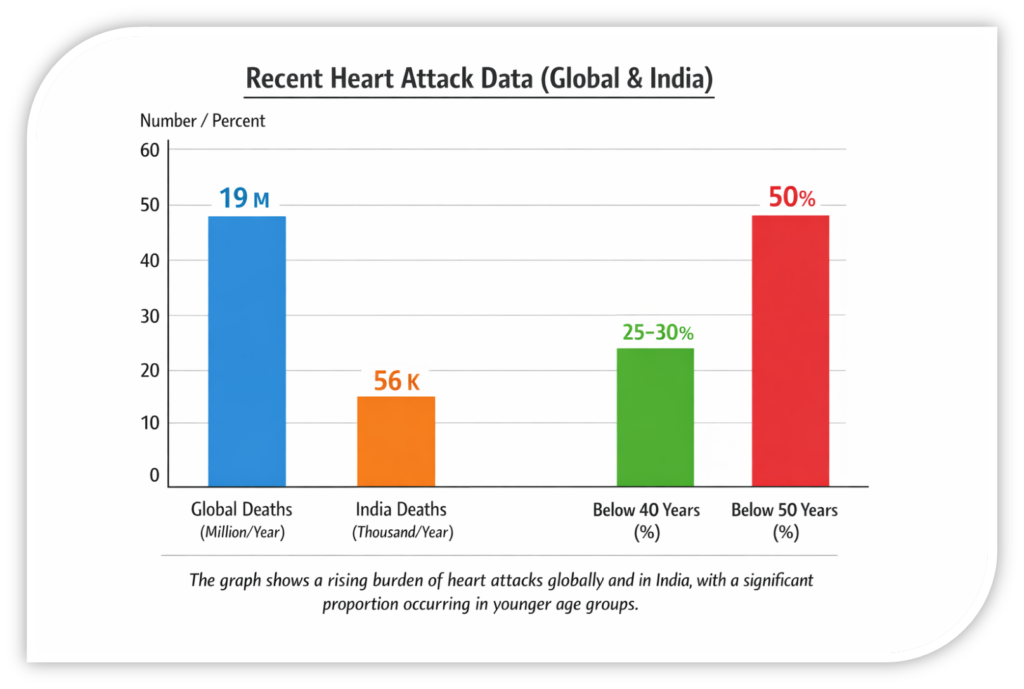
•Heart attacks & cardiovascular diseases cause 18–20 million deaths every year (WHO).
•They account for ~32% of all global deaths.
India:56,000+ heart attack deaths reported in 2022 (NCRB).
•Shows ~12% increase compared to the previous year.
Young people affected:
•25–30% heart attacks occur below 40 years.
•Nearly 50% occur below 50 years in India.
Emergency trend: WHY HEART ATTACK IS INCREASING DAY BY DAY?
•Cardiac emergency calls have increased by 15–20% per year in recent data.INCREASING HEART ATTACK
WHAT IS HEART ATTACK?
A heart attack (myocardial infarction) is a medical emergency in which the blood flow to a part of the heart muscle is suddenly blocked, usually due to a blood clot in a coronary artery, resulting in damage or death of the heart muscle because of lack of oxygen.
A heart attack is the sudden interruption of blood supply to the heart muscle caused by blockage of a coronary artery, leading to myocardial. INCREASING HEART ATTACK
The entire heart is made of cardiac muscles.
Mechanism of the Human Heart:INCREASING HEART ATTACK
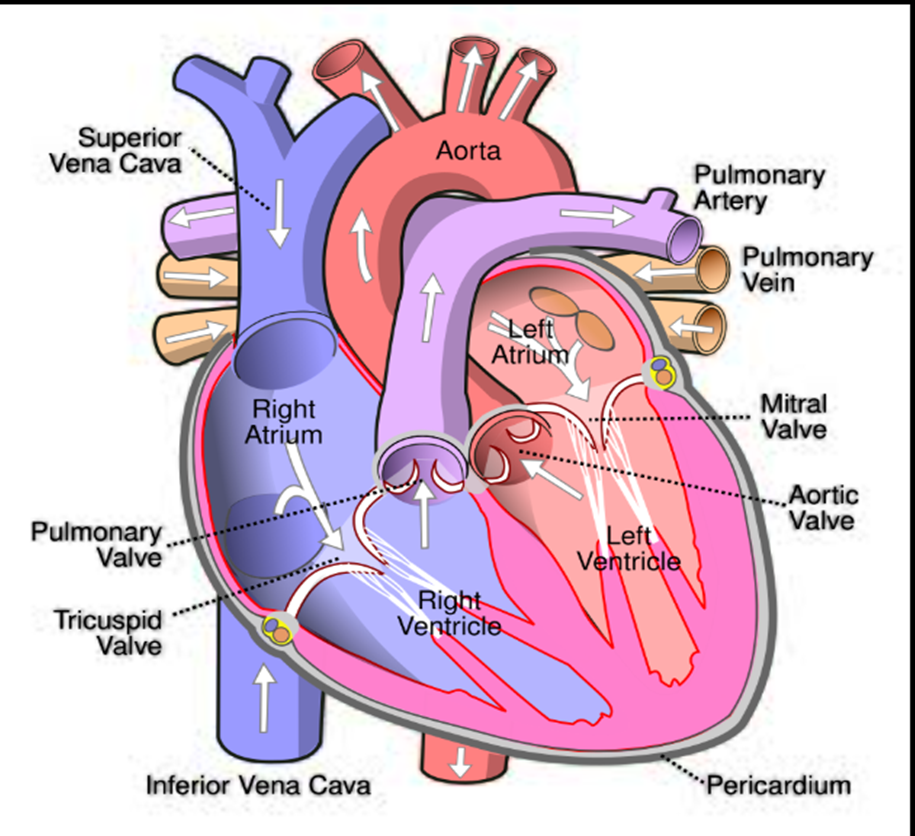
•Deoxygenated blood from the body enters the right atrium through the vena cava.
•Right atrium contracts → blood flows to right ventricle via the tricuspid valve.
•Right ventricle contracts → blood goes to the lungs through the pulmonary artery (for oxygenation).
•Oxygenated blood returns from lungs to left atrium via pulmonary veins.
•Left atrium contracts → blood moves to left ventricle through the mitral (bicuspid) valve. Left ventricle contracts → blood is pumped to the whole body through the aorta.
KEY FACTS:INCREASING HEART ATTACK
•The human heart is a four-chambered muscular organ that functions as a double pump to maintain blood circulation in the body.
•Normal heart rate:72 beats/min (adult at rest)
•Heart starts beating by the 4th week of embryonic life
•Beats about 100,000 times per day
•Pumps nearly 7,000 liters of blood daily
•Continues beating throughout life without rest
•Weight: 250–300 g (adult)
•Pumps about 5–6 liters of blood per minute at rest
High Blood Pressure (Hypertension):
•Hypertension is the term for blood pressure that is higher than normal (120/80). In this measurement 120 mm Hg (millimetres of mercury pressure) is the systolic, or pumping, pressure and 80 mm Hg is the diastolic, or resting, pressure.If repeated checks of blood pressure of an individual is 140/90 (140 over 90) or higher, it shows hypertension. High blood pressure leads to heart diseases and also affects vital organs like brain and kidney.
Coronary Artery Disease (CAD):
•Coronary Artery Disease, often referred to as atherosclerosis, affects the vessels that supply blood to the heart muscle. It is caused by deposits of calcium, fat, cholesterol and fibrous tissues, which makes the lumen of arteries narrower.INCREASING HEART ATTACK
Angina:
•It is also called ‘angina pectoris’. A symptom of acute chest pain appears when no enough oxygen is reaching the heart muscle. Angina can occur in men and women of any age but it is more common among the middle-aged and elderly. It occurs due to conditions that affect the blood flow.
Heart Failure:INCREASING HEART ATTACK
Heart failure means the state of heart when it is not pumping blood effectively enough to meet the needs of the body. It is sometimes called congestive heart failure because congestion of the lungs is one of the main symptoms of this disease. Heart failure is not the same as cardiac arrest (when the heart stops beating) or a heart attack (when the heart muscle is suddenly damaged by an inadequate blood supply).
Main reasons behind the rise in heart attacks:
1️⃣ Sedentary lifestyle (biggest factor)
•Long sitting hours (office, phone, TV)
•Very little physical activity
➡️ Leads to obesity, high BP, diabetes, and blocked arteries
2️⃣ Unhealthy food habits
•Junk food, fast food, fried items
•Excess sugar, salt, refined carbs, Causes high cholesterol & artery blockage INCREASING HEART ATTACK
3️⃣ Rising stress & mental pressure
•Work stress, financial tension
•Poor sleep, anxiety, overthinking
➡️ Stress hormones increase BP & heart rate, damaging arteries
4️⃣ Smoking, alcohol & substance use
•Smoking damages blood vessels directly
•Alcohol increases BP & triglycerides
➡️ Multiplies heart attack risk (even in young people)
Why young people are getting heart attacks?
Unhealthy diet: Junk food, fast food, high sugar and fat intake
Stress & anxiety: Academic, work, financial and social stress
Smoking, vaping & alcohol: Direct damage to blood vessels
Lack of sleep: Late nights and screen addiction
Obesity & belly fat: Increases cholesterol and inflammation
Diabetes & high BP at young age: Often undiagnosedGenetic factors: Family history combined with poor lifestyle
Early heart attacks in young people are mainly caused by lifestyle changes, stress, and poor health habits, even at a young age.
Signs and Symptoms of a Heart Attack:
🚨 Common Symptoms
•Chest pain or discomfort (pressure, heaviness, tightness)
•Pain spreading to left arm, shoulder, neck, jaw, or back
•Shortness of breath
•Cold sweating
•Nausea or vomiting
•Dizziness or light-headedness
•Extreme fatigue or weakness
•Palpitations (fast or irregular heartbeat)
⚠️ Atypical / Less Obvious Symptoms
(more common in women, elderly, diabetics)
•Mild chest discomfort or burning
•Indigestion-like pain
•Unusual tiredness
•Breathlessness without chest pain
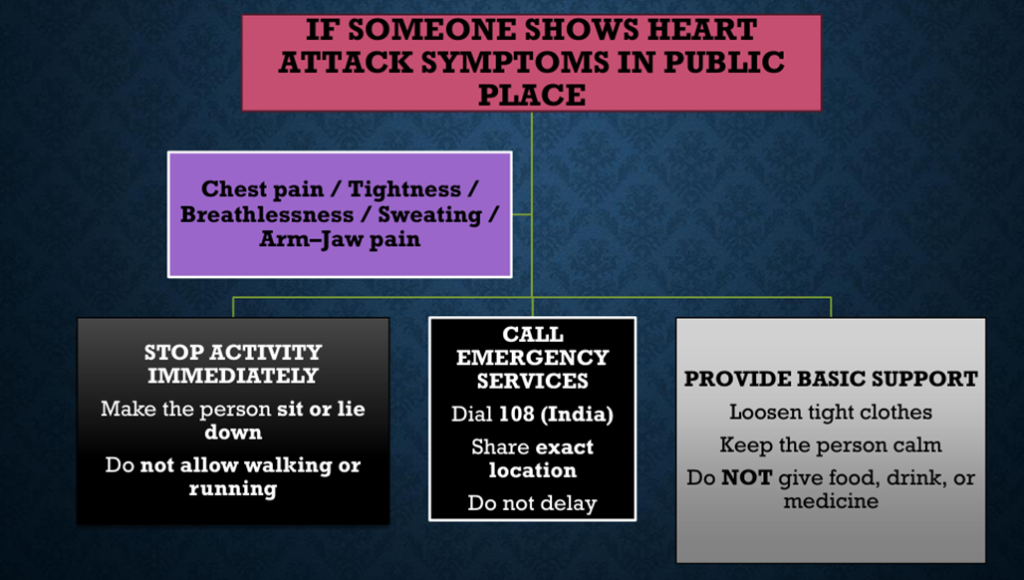
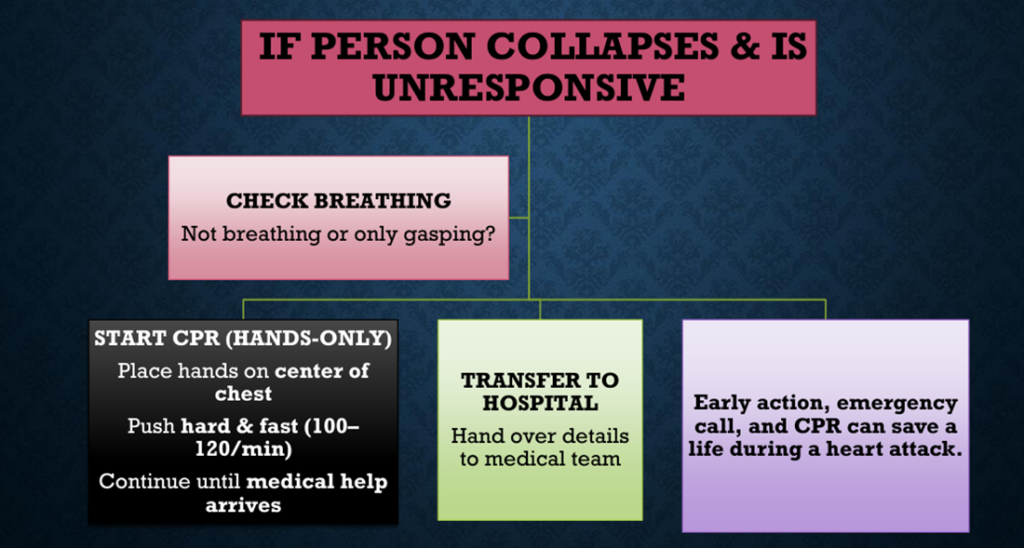
HEART ATTACK – PUBLIC RESPONSE:
PREVENTION:
•Regular exercise: 30–40 minutes walking daily
•Healthy diet: Fruits, vegetables, whole grains; less oil, salt & sugar
•Quit smoking & tobacco
•Limit alcohol intake
•Control BP, sugar & cholesterol with regular checkups
•Maintain healthy weight (avoid belly fat)
•Manage stress: yoga, meditation, proper rest
•Adequate sleep: 7–8 hours daily
Most heart attacks can be prevented by healthy lifestyle, regular exercise, and control of risk factors.
BE ALERT AND BE PREPARE!